c-o-c-o-a — Growth
Calcite
Can a surface be grown from the mineral in water?
Facts
- Year
- 2026
- Axis
- Growth
- Material
- Calcium carbonate accretion (in testing)
- Method
- Condition simulation in Grasshopper, growth in controlled environments
- Production
- Contract processes without mold investment (planned)
- Status
- In progress
The question
Limescale gathers on its own: at the mouth of a tap, at the bottom of a kettle, on the ceiling of a cave. Nobody draws it. Water, temperature and time build it layer by layer. A stalactite takes centuries to grow a few centimeters, yet the crust in a kettle thickens in weeks.
Calcite treats this everyday event as a method of production. Can the surface of an object be grown from mineral dissolved in water? And if it can, can we design the speed, direction and texture of that growth?
Conditions
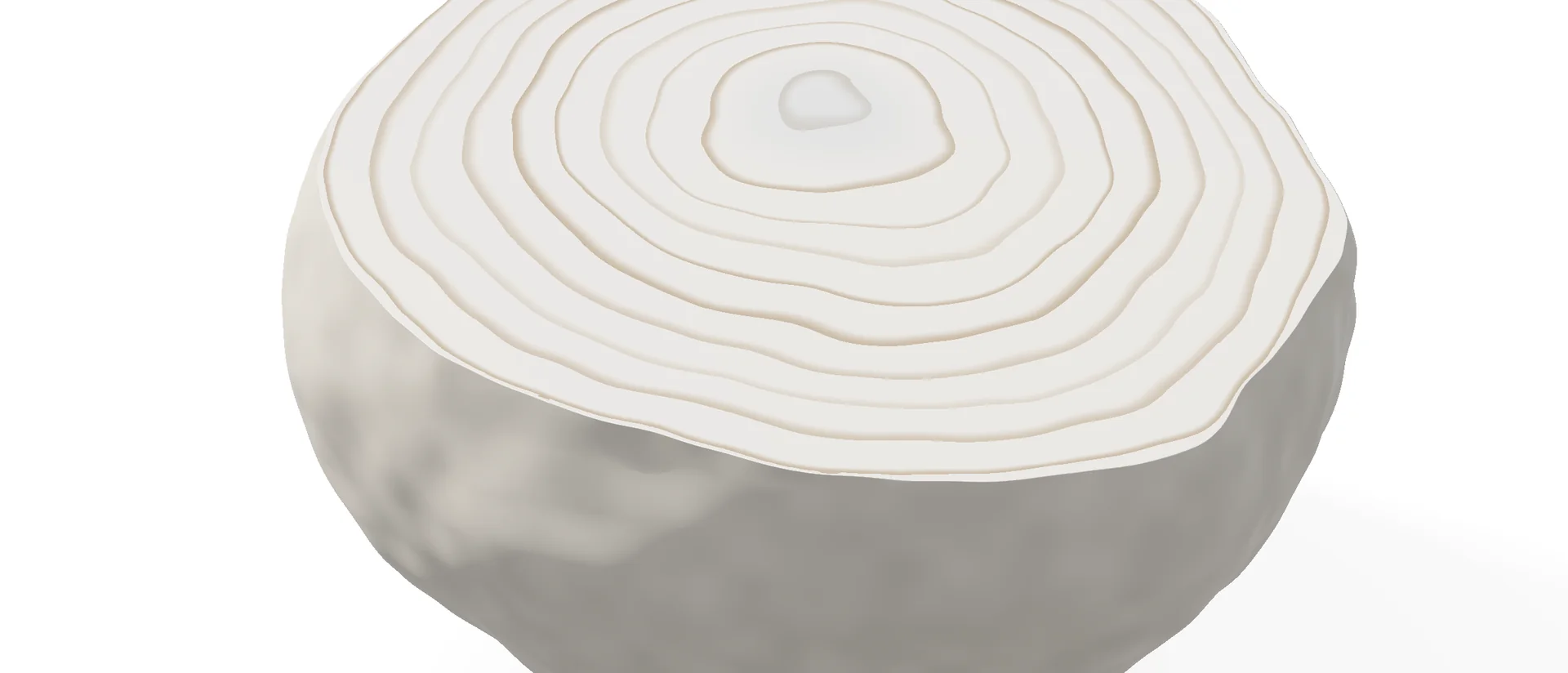
Instead of modeling the form directly, we define the conditions that will give rise to it. Pressure, temperature, pH and light are four variables that can be set inside a closed capsule. Each changes how fast the mineral builds, in which direction and with what texture.
The inner geometry of the capsule is a condition too. Where water slows, turns and rests decides where mineral concentrates. The mold does not impose the form. It only suggests a direction for growth.
Method
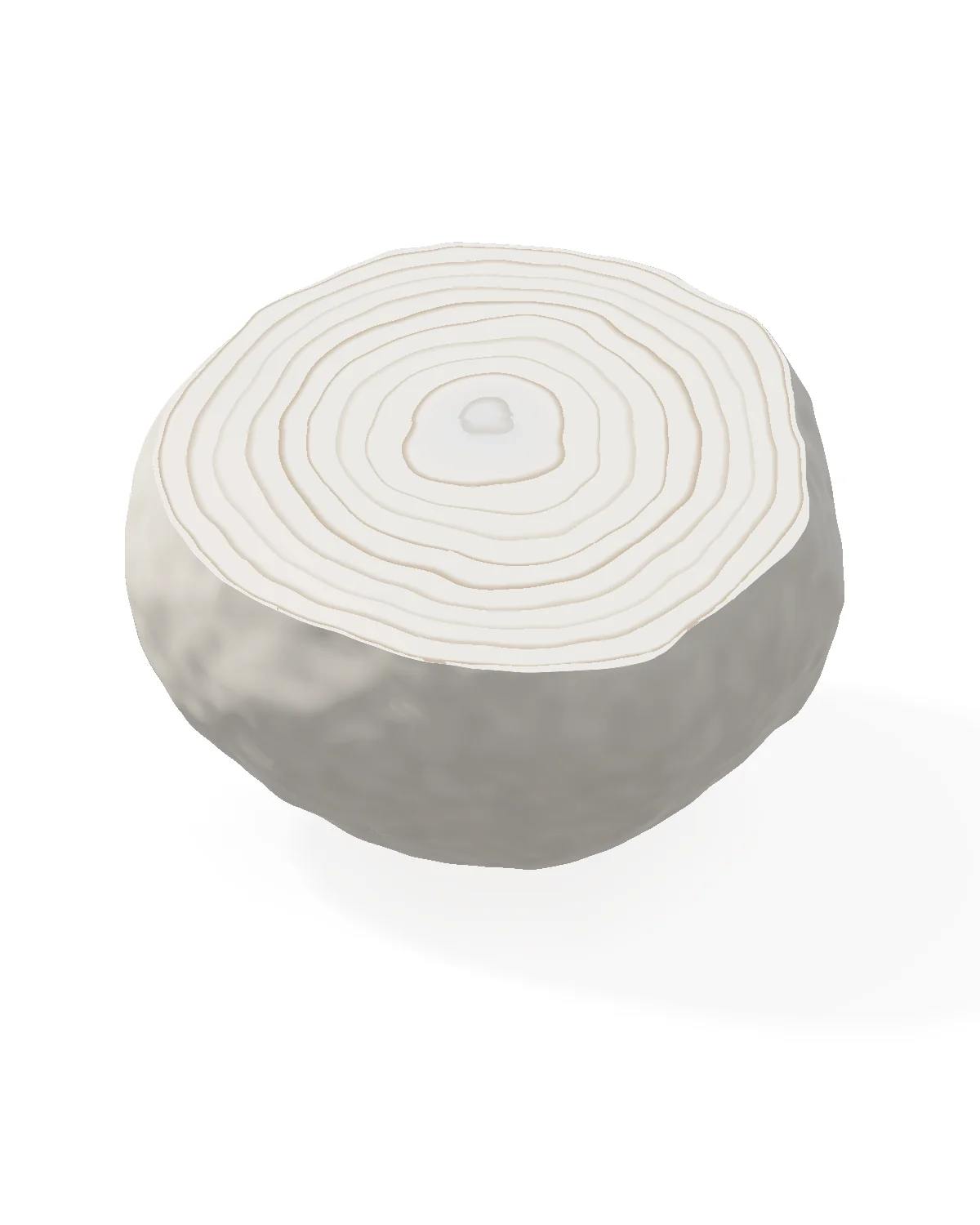
The work runs on two layers. In the digital layer we use Rhino and Grasshopper to simulate how conditions might act: which regions of a surface gain layers faster, which stay thin.
In the physical layer we test the same conditions in small vessels. Every test is entered in a condition log: date, duration, temperature, pH, light and observed result. The two layers correct each other. Every result the simulation failed to predict becomes a rule in the next model.
Why it matters
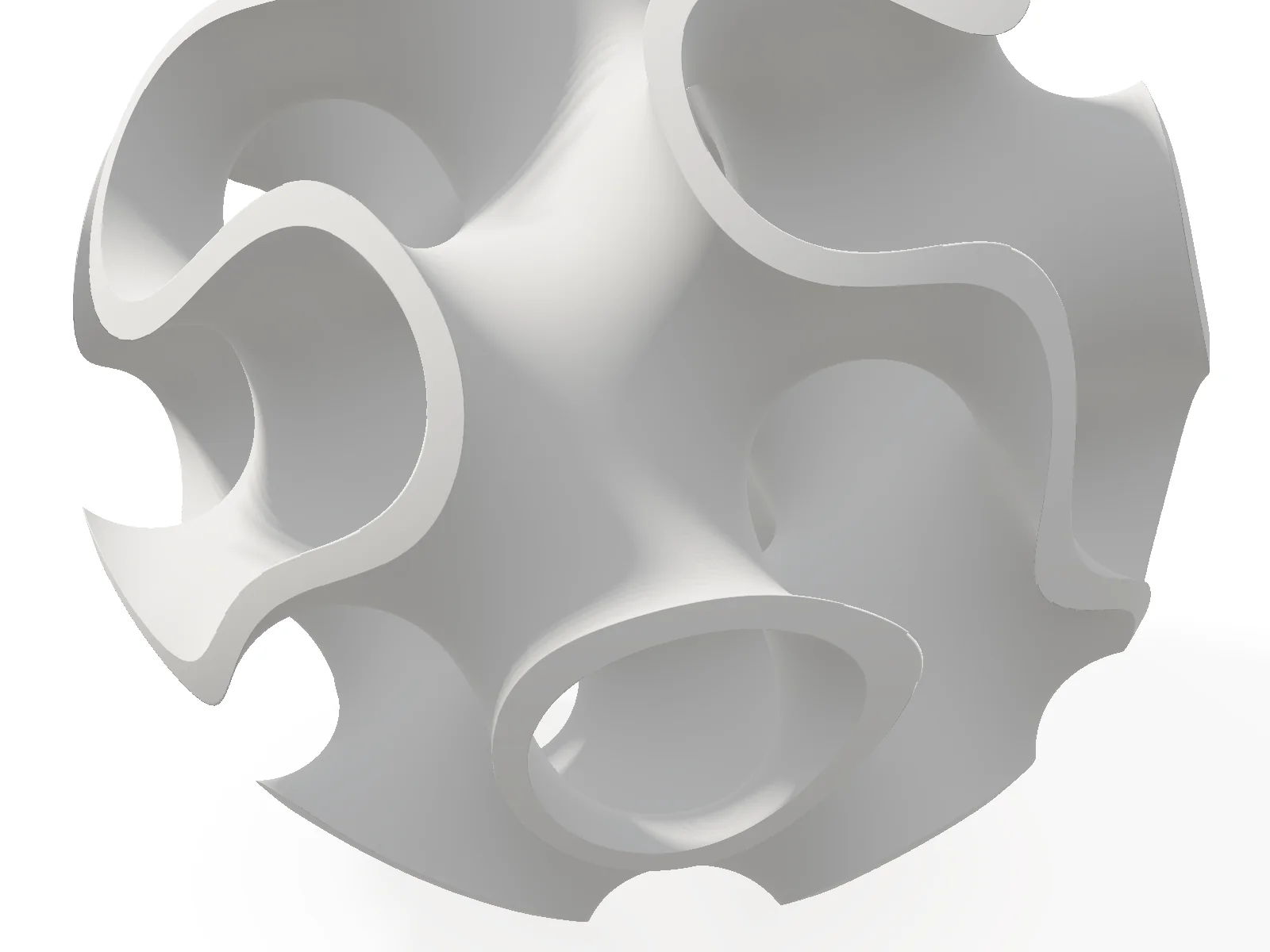
A surface that grows by accretion is formed by adding, not by cutting or casting. Material gathers only where it is needed. This could open a path to objects made with little material and without investment in molds.
Mineral growth also plays with perception. Calcite is hard and cold, yet its slowly grown surfaces often look soft, almost woven. When the hand meets hardness where the eye expected softness, that is the kind of surprise this line is looking for.
Open questions
- Can a damaged surface be repaired by growing it again under the same conditions?
- Can the speed of accretion meet the pace of serial production?
- When two objects grow from the same conditions, how alike are they?
Status
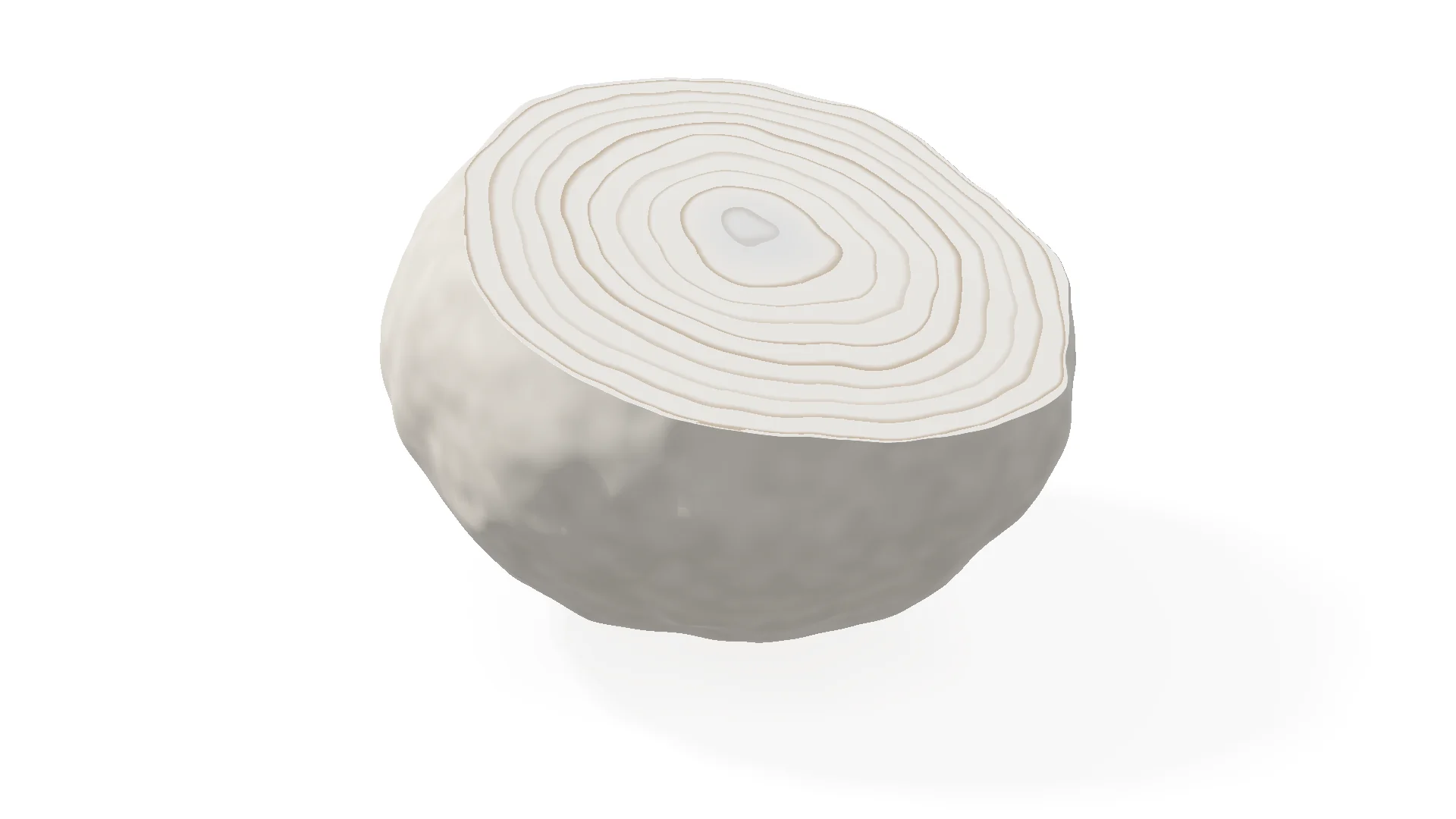
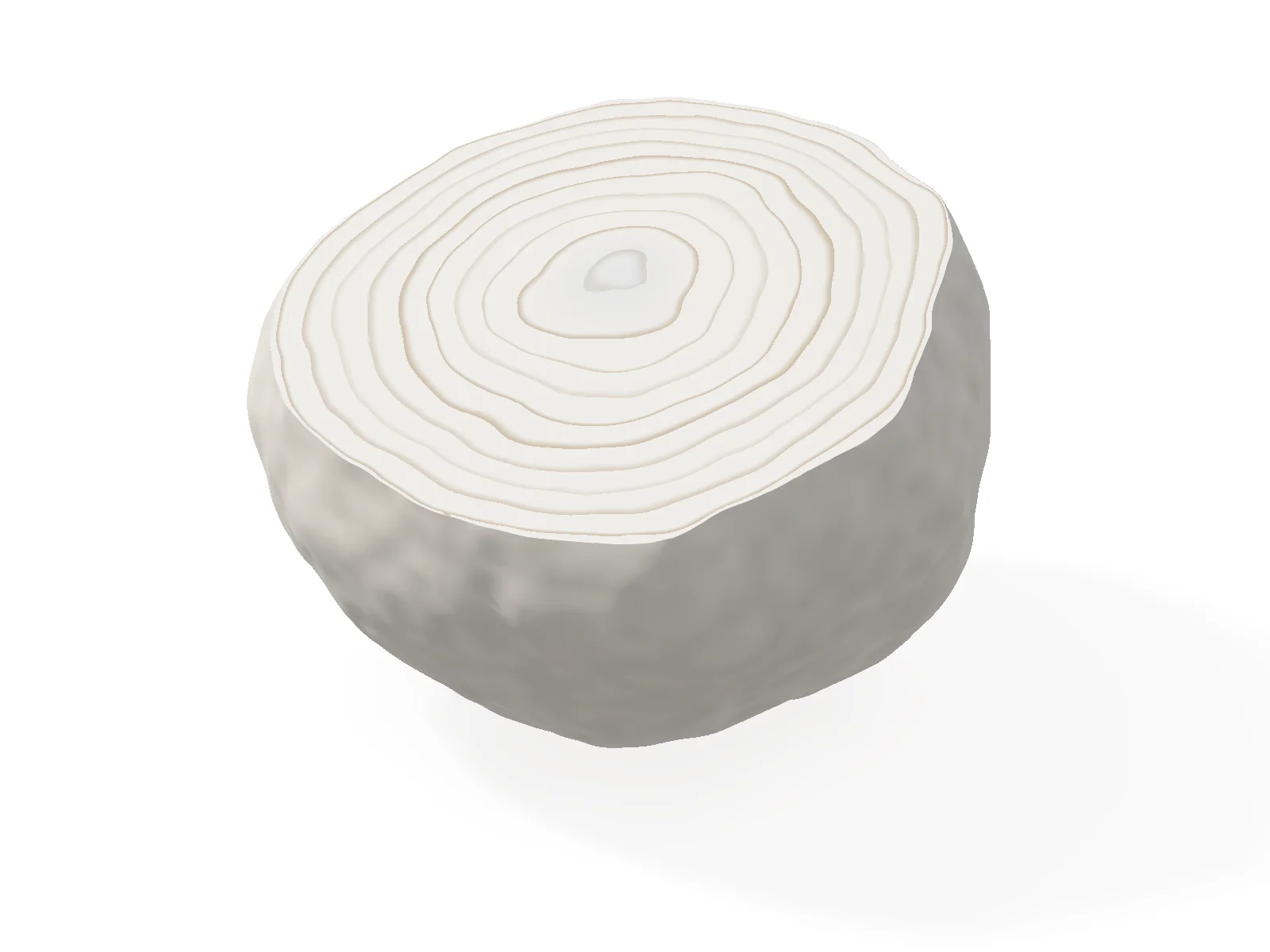
Calcite is an active line of research. The images on this page are not results. They are studio renders and diagrams that explain the logic of the conditions. Documentation of the first physical tests will be published here as it becomes available.
Credits
- Design and research
- c-o-c-o-a
- Tools
- Rhino, Grasshopper
- Images
- Studio renders, c-o-c-o-a