c-o-c-o-a — Lifespan
Mend
Can an object made with little material last a lifetime through repair?
Facts
- Year
- 2026
- Axis
- Lifespan
- Material
- Bio-composite parts with dowel joints (in testing)
- Method
- Parametric part families in Grasshopper
- Production
- Contract processes without mold investment (planned)
- Status
- In progress
The question
Most objects are thrown away whole when a single part fails. Mend starts from the opposite assumption: every part will fail one day, so every part must be easy to replace.
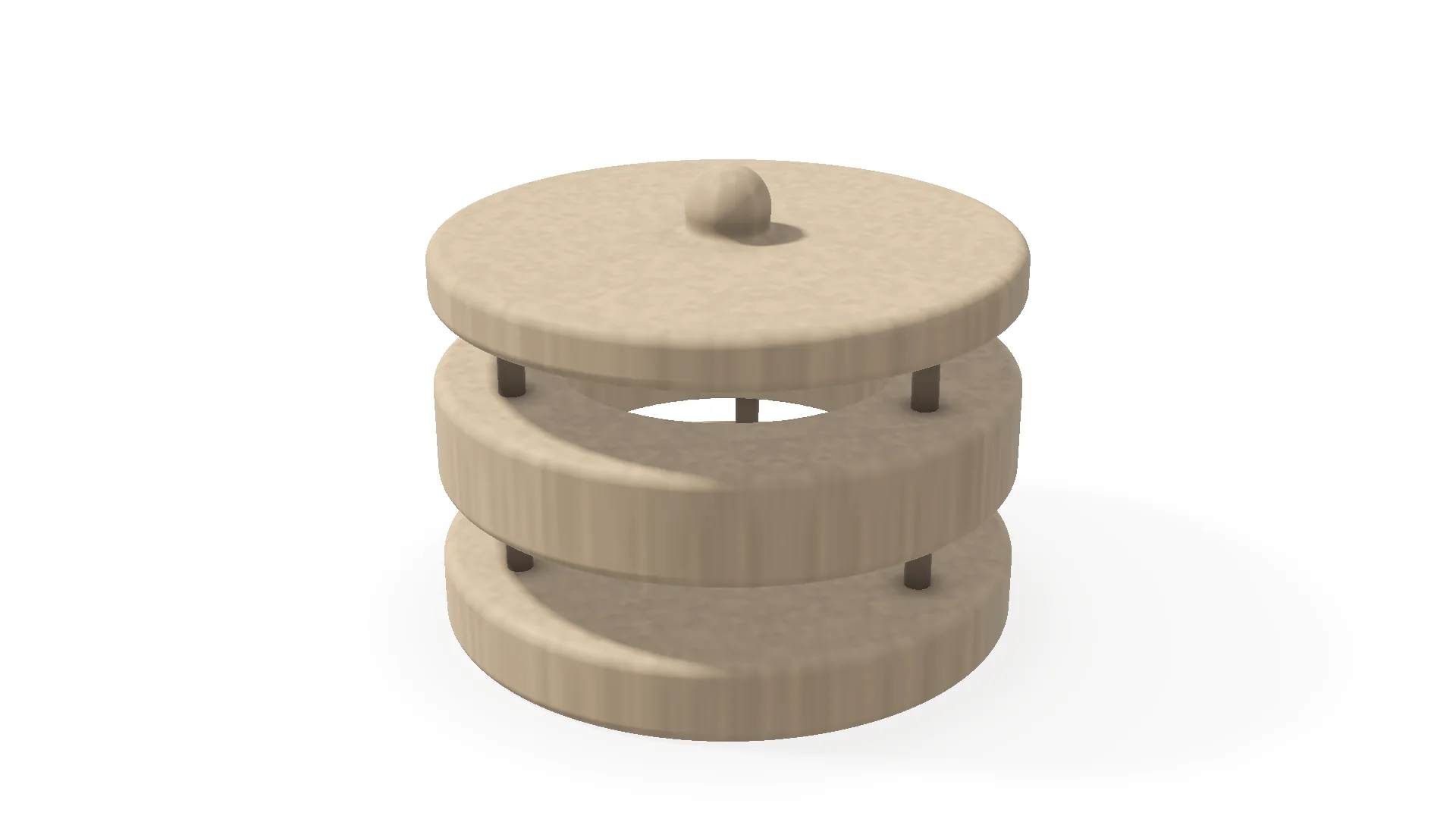
The project is a family of objects built from few parts, joined so that they can be taken apart by hand and put back together.
Conditions
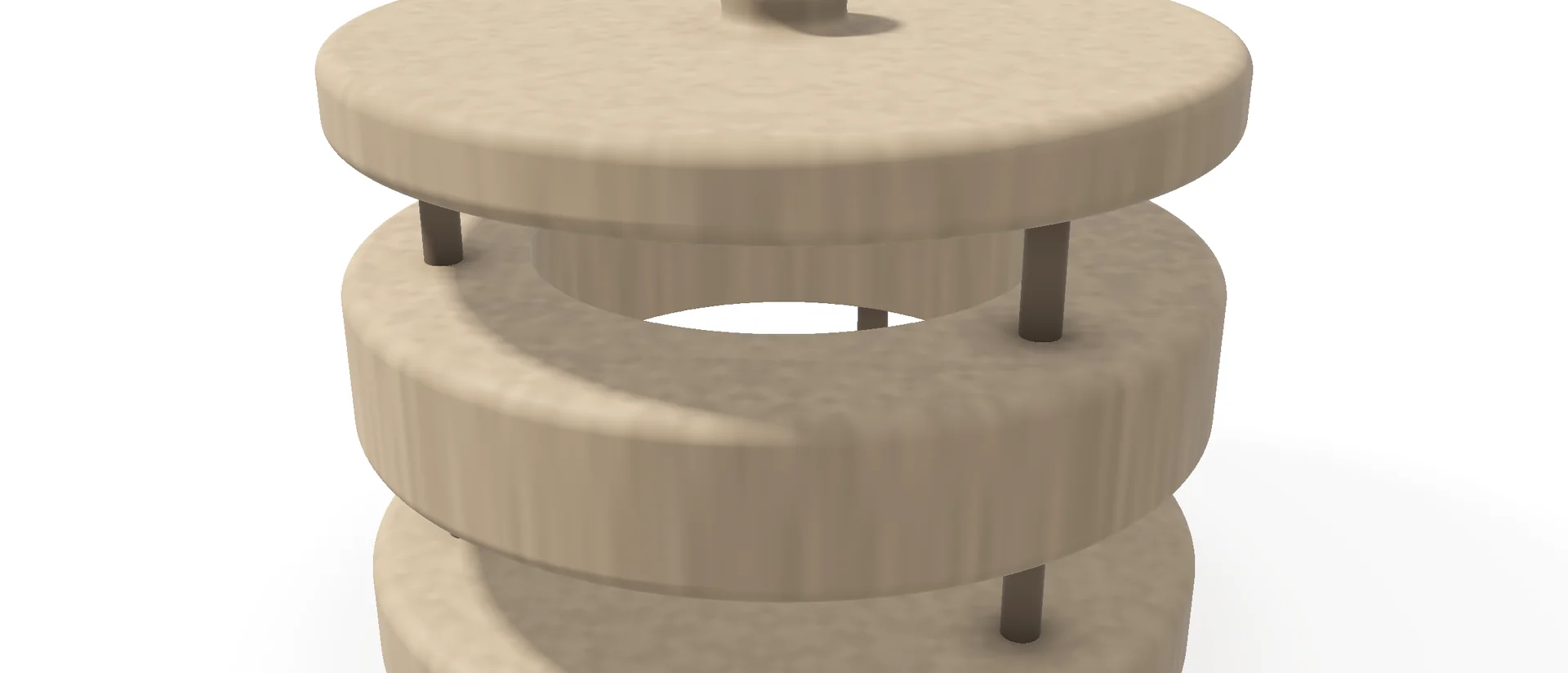
Repair is designed in from the start. Parts are sized so that the one most likely to wear is the cheapest and simplest to make. Joints are dowels rather than glue, so taking the object apart never destroys a part.
Customization follows from the same logic. If parts are interchangeable, a person can change a lid, a ring or a base and make the object their own.
Method
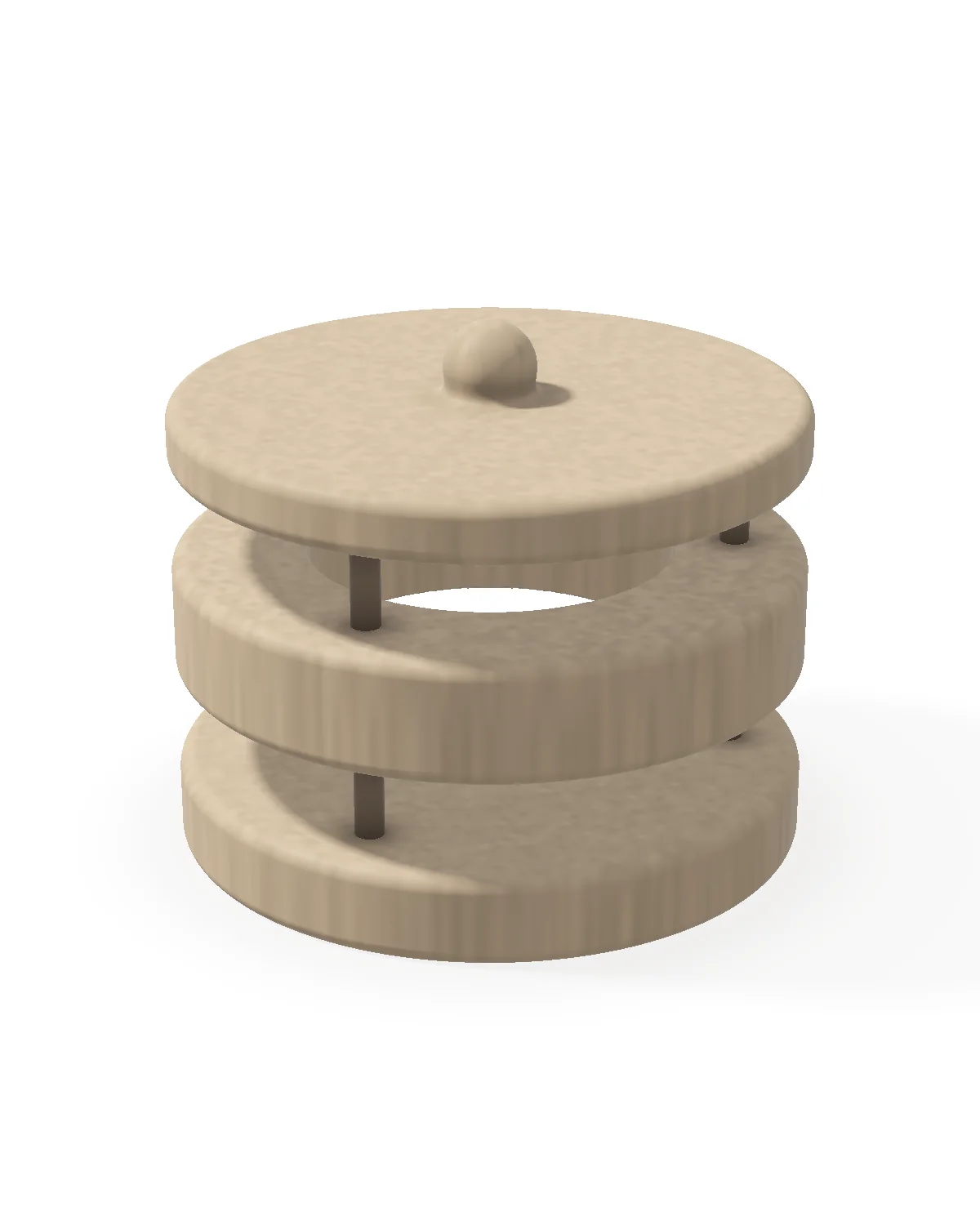
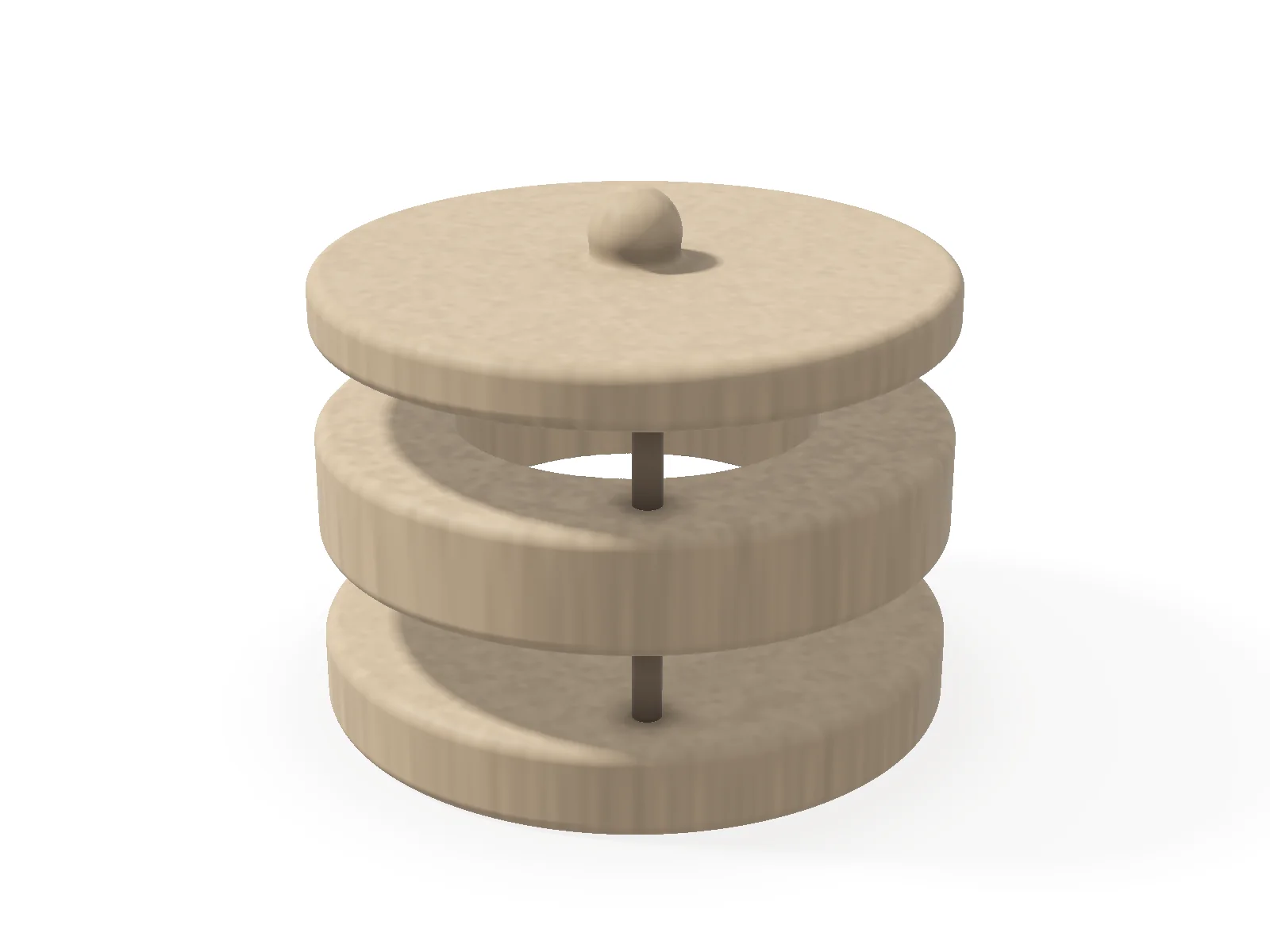
In Grasshopper each part is generated from a small set of parameters: diameter, height, wall thickness and dowel position. Changing one value updates the whole family, so a new size or a replacement part is a change of number, not a new drawing.
Why it matters
The lowest-impact object is the one that is never replaced. Few parts, little material and a long life are one design goal, and each object carries the story of its repairs.
Open questions
- Which part fails first, and can it be the cheapest to make?
- Can a replacement part be ordered as a number rather than a drawing?
- How many repairs can a dowel joint take?
Status
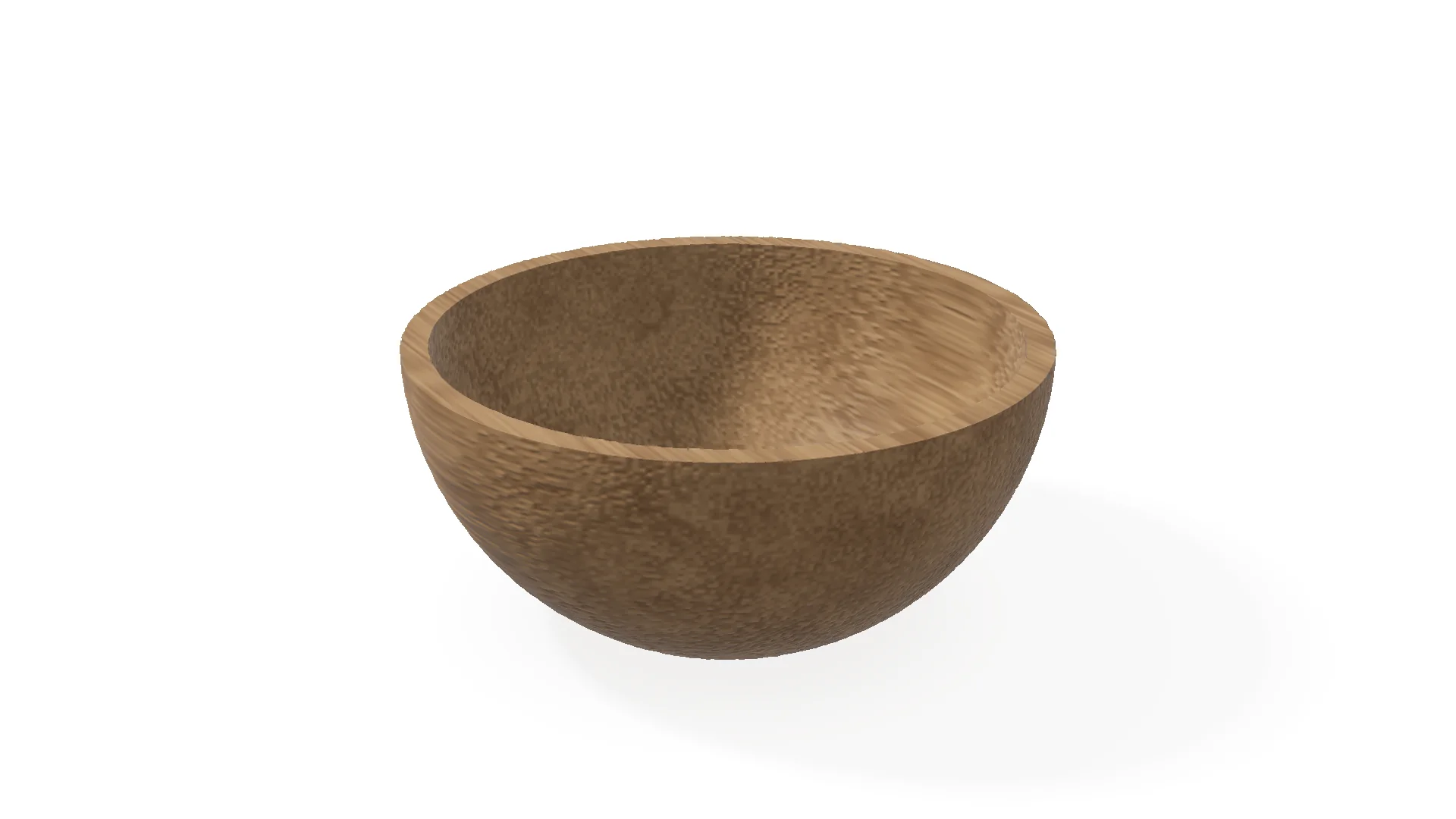
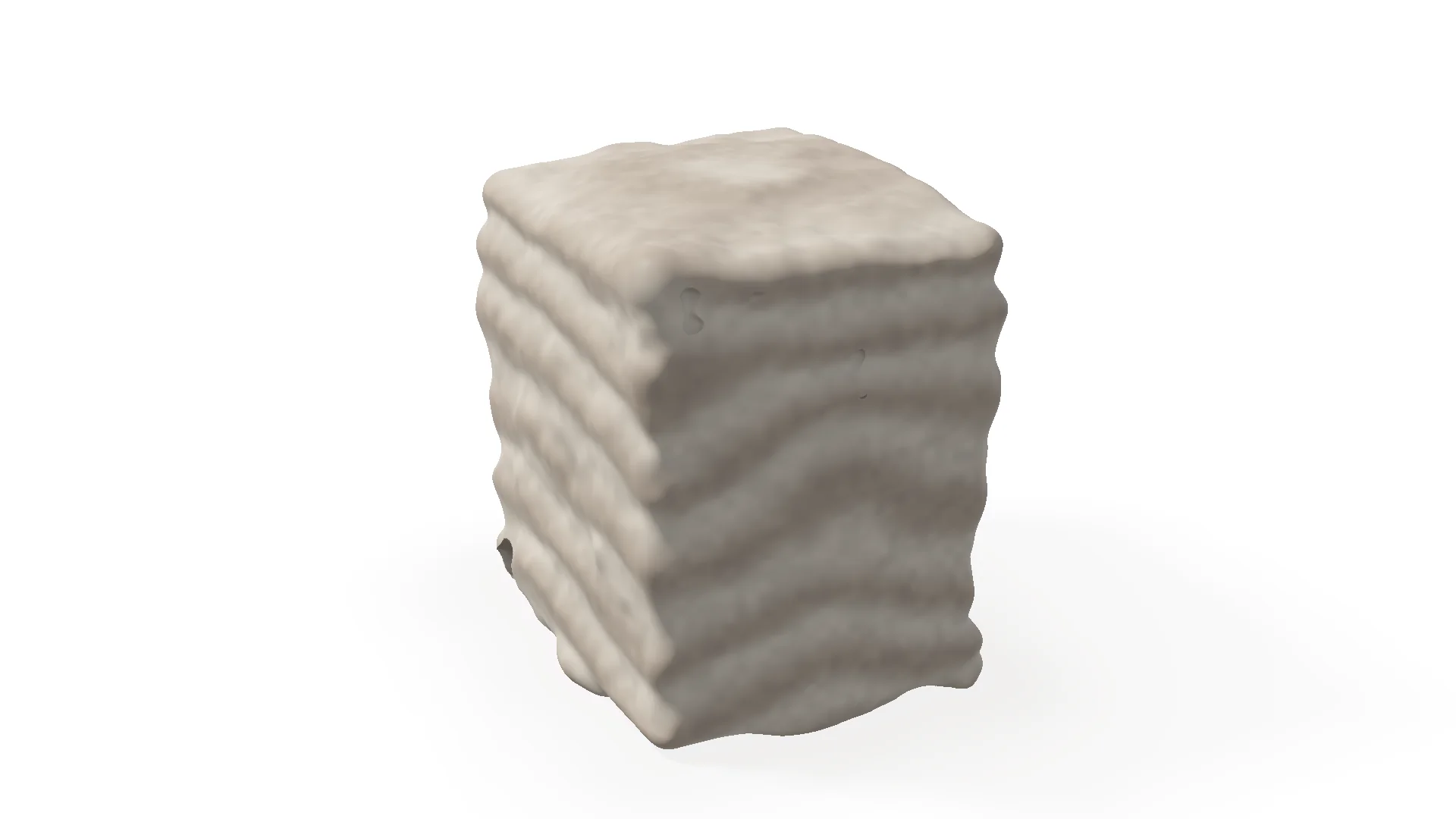
Mend is an active line of research. The images on this page are studio renders of the part family, not finished products.
Credits
- Design and research
- c-o-c-o-a
- Tools
- Rhino, Grasshopper
- Images
- Studio renders, c-o-c-o-a